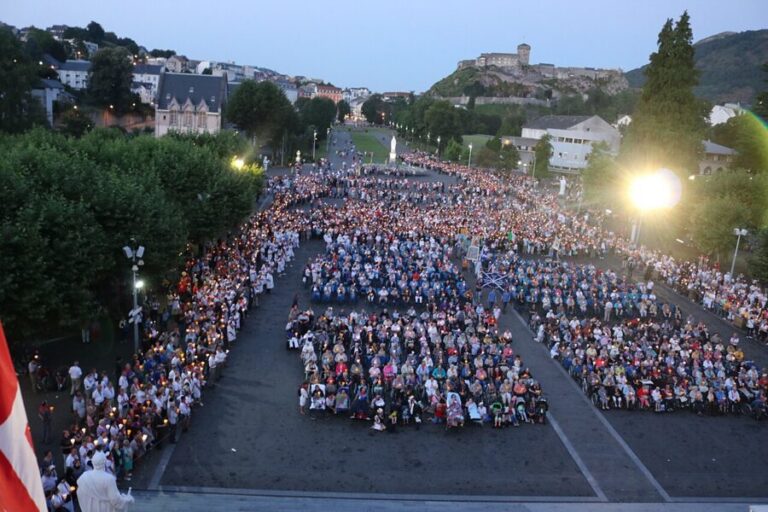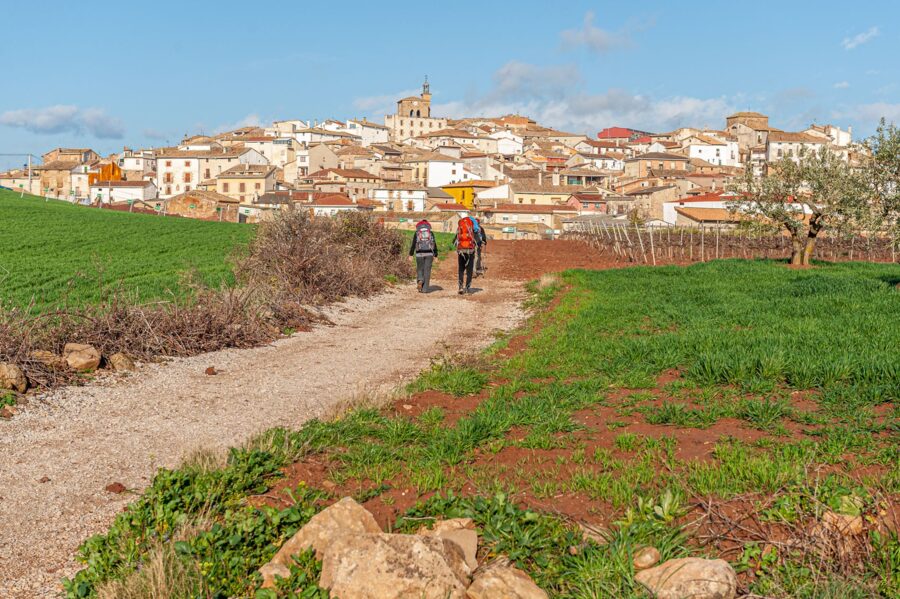
The last stamp on a pilgrim’s card is the only one you cannot collect yourself. It goes on at a counter on Rúa das Carretas, a few minutes downhill from the cathedral in Santiago de Compostela, after days or weeks of stamps from bars, parish churches and bunkhouses. Behind it sits one of the oldest pilgrimages in Christian Europe, walked by more than half a million people last year.
The Camino de Santiago, the Way of St. James, is not one path but a web of them, all ending at the tomb in the cathedral that Catholics venerate as the burial place of the apostle James the Greater. People walk it for faith, for grief, for a decision they need to make, or simply to see what a month on foot does to them.
Contents10 parts
What the Camino is, and why people walk it
The story begins early in the ninth century, when a tomb believed to hold the remains of St. James was found in the far northwest of Spain. Theodemir was bishop of Iria Flavia at the time; his gravestone, dated 847, turned up under the cathedral in 1955.
A church rose over the tomb, then a town, and by the twelfth and thirteenth centuries Santiago stood with Jerusalem and Rome, where pilgrims sought the tomb of St. Peter in the Vatican, as one of the three great goals of Christian pilgrimage.
Pilgrims set out from their own front doors, and the roads they wore across France and Spain became the routes walked today. UNESCO listed the routes of Santiago de Compostela in Spain in 1993 and later added the northern routes; the old town of Santiago has been on the list since 1985.
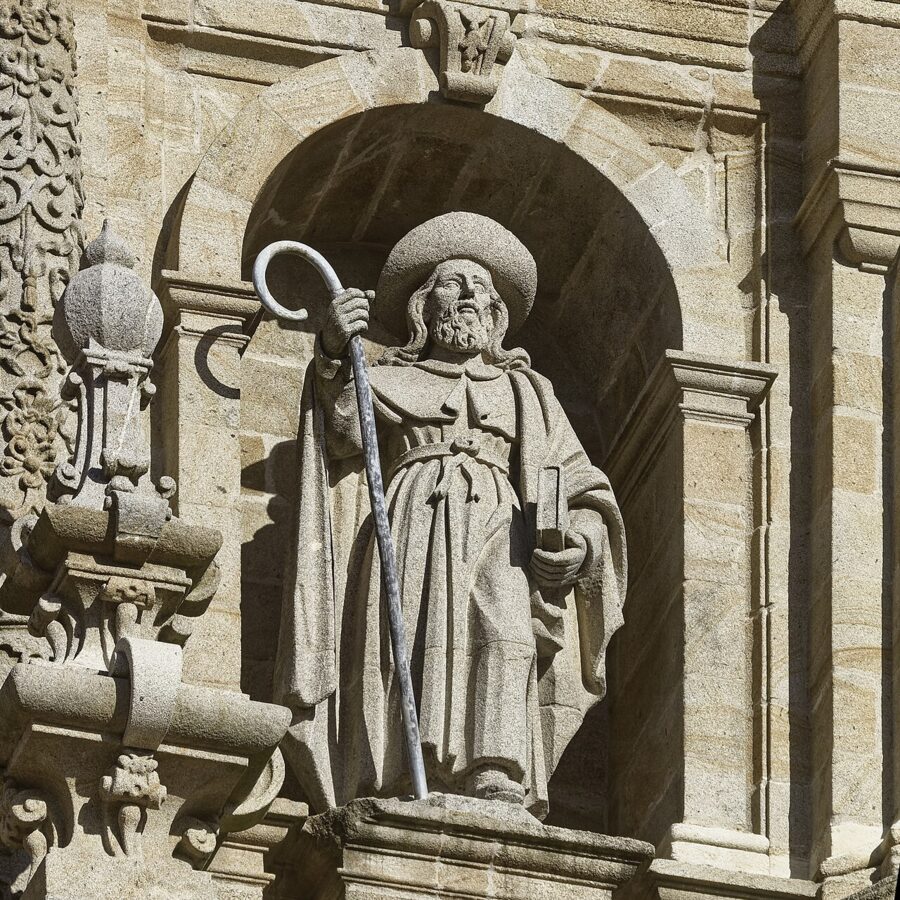
The numbers have never been higher. The Pilgrim’s Office issued 530,987 Compostelas in 2025, six percent more than the year before, and 57 percent went to pilgrims from outside Spain, according to the Galician government’s tourism review in February 2026. You will not be alone, especially in Galicia.
You do not have to be Catholic, or religious at all, to walk. The certificate at the end is another matter.
The routes compared
Five routes cover almost every first Camino. Variants move the distances a few kilometers either way, and the days assume 20 to 25 km a day.
| Route | Usual start | Distance to Santiago | Days on foot | Character |
|---|---|---|---|---|
| Camino Francés | Saint-Jean-Pied-de-Port (France) | about 770 km | 31–35 | The classic: Pyrenees, La Rioja’s vineyards, the Meseta, the mountains of León, Galicia. Most services, most company. |
| Francés, last stretch | Sarria | a little over 110 km | 5–6 | The shortest walk that earns the Compostela. Pretty, well served and crowded. |
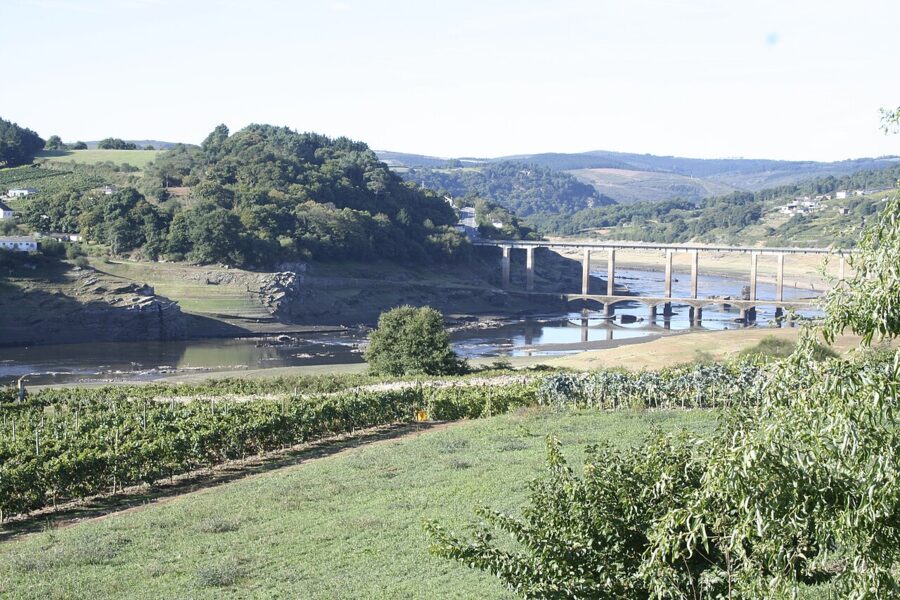
| Camino Portugués (central) | Porto / Tui / Lisbon | 241 km / 116 km / about 610 km | 10–12 / 5–6 / 25–27 | Cobbles, vineyards and river towns. Gentle climbs; the second most walked route. |
| Camino del Norte | Irún | about 820 km | 34–37 | The Basque, Cantabrian and Asturian coast, then inland. Constant ups and downs. |
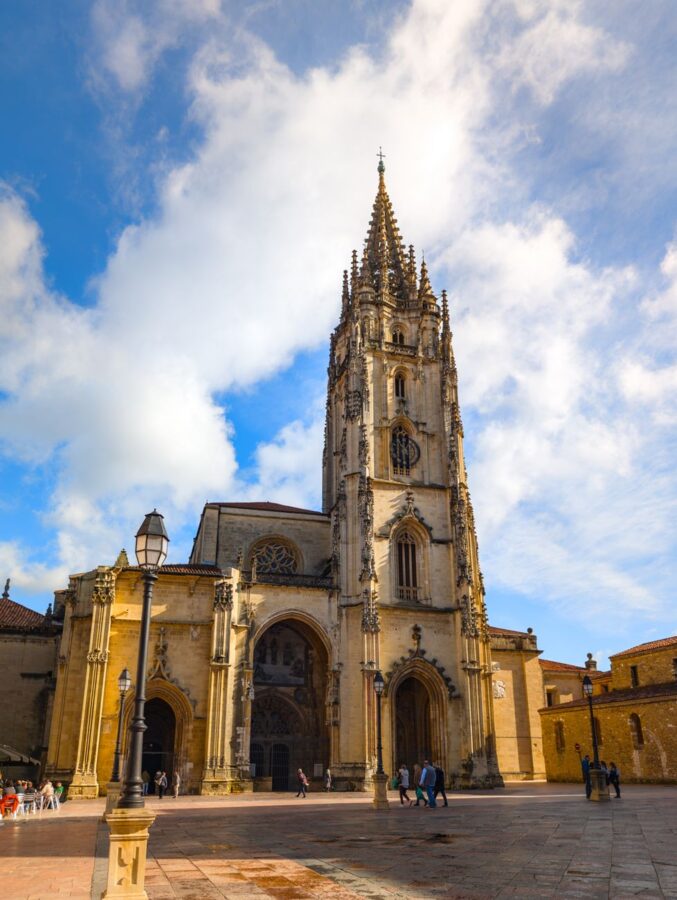
| Camino Primitivo | Oviedo | about 310 km | 12–14 | The oldest recorded route, through the Asturian mountains to Lugo; joins the Francés at Melide. The hardest days of the five. |
| Camino Inglés | Ferrol / A Coruña | about 112 km / 72 km | 5 / 4 | The route of pilgrims who came by sea. Short and quiet; only the Ferrol start reaches 100 km. |
Camino Francés
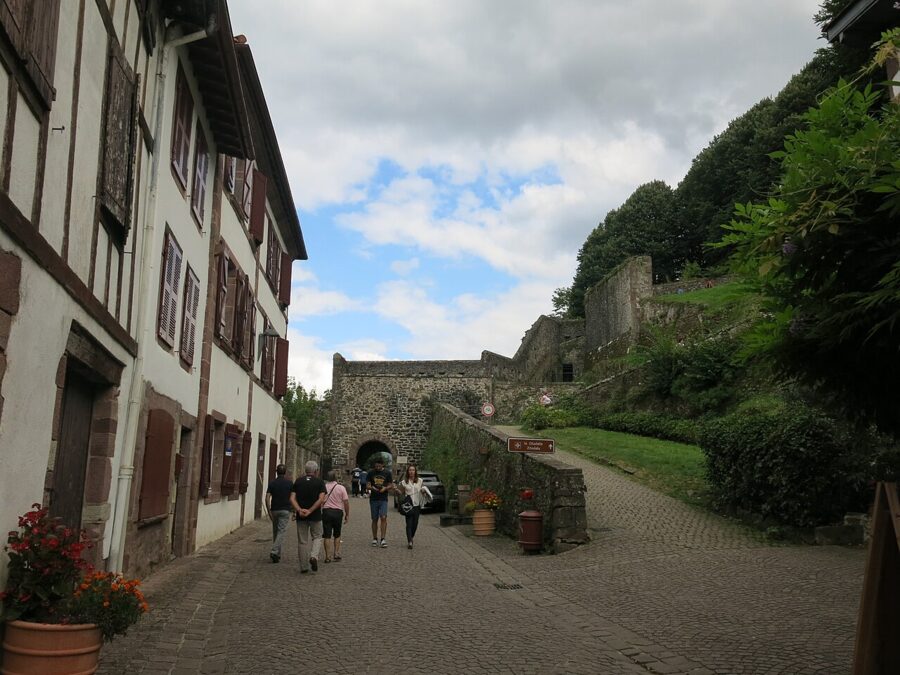
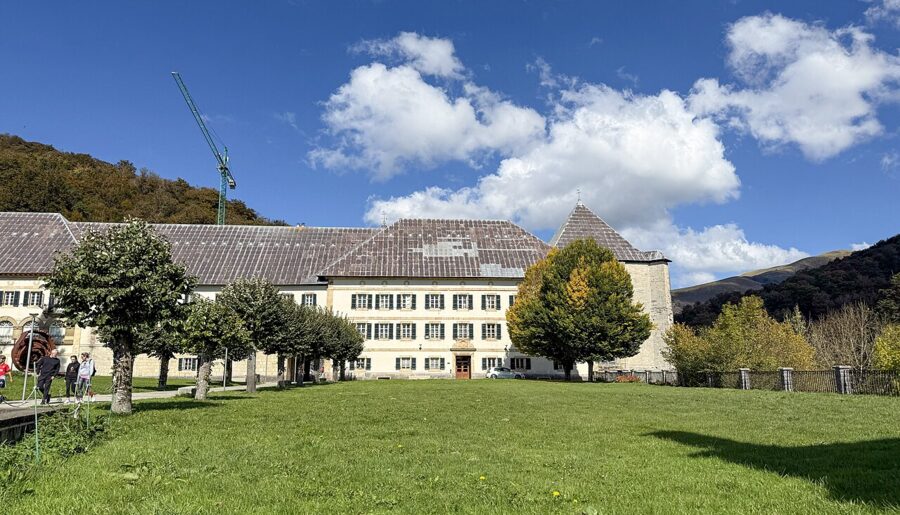
If you have five weeks and want the Camino most people mean, this is it. The traditional start is Saint-Jean-Pied-de-Port, a fortified Basque town on the French side, and the first day is the hardest of the whole walk: 24 km and about 1,250 m of climbing over the Pyrenees to Roncesvalles on the high Napoleon route. From 1 November to 31 March that pass is closed to pilgrims and you take the lower road through Valcarlos instead.
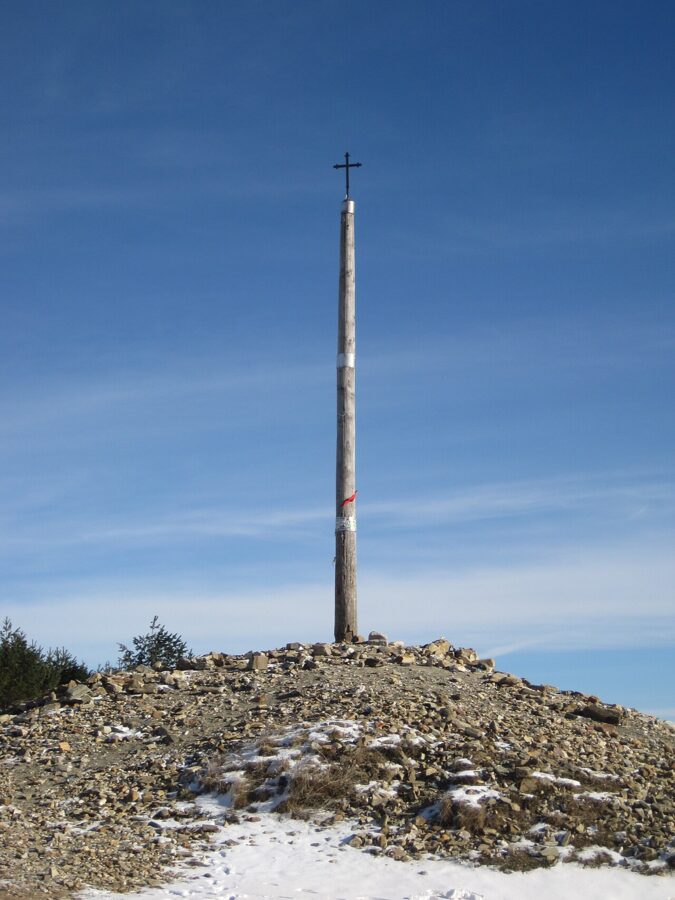
After the mountains the route crosses Pamplona, Burgos and León and the long wheat country of the Meseta, which some pilgrims skip by bus and others remember as the part where the walking went quiet. Past Astorga it climbs again to the Cruz de Ferro and over the hills of El Bierzo to O Cebreiro, the first village in Galicia.
Camino Portugués
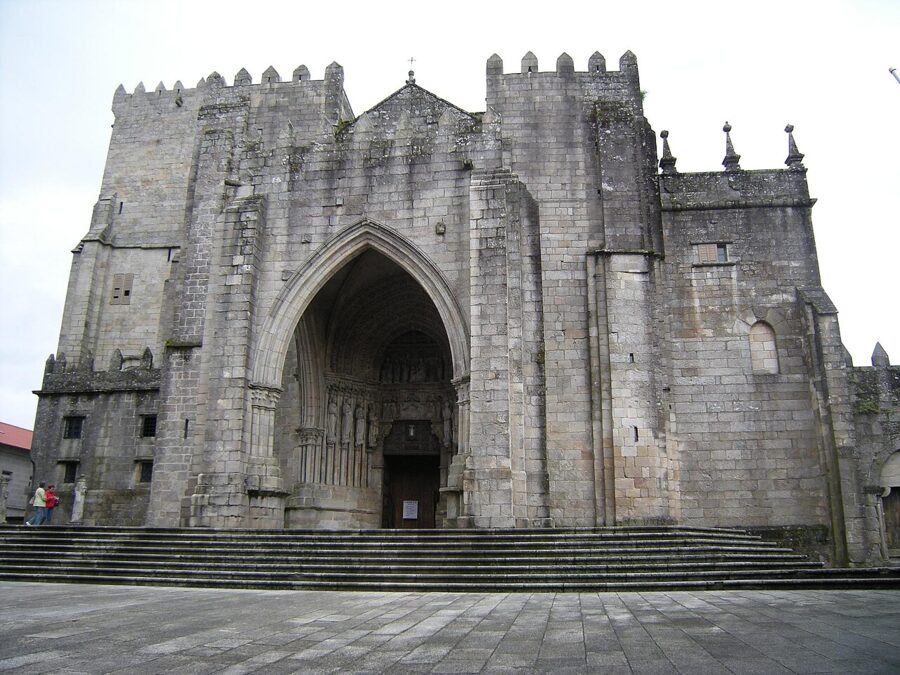
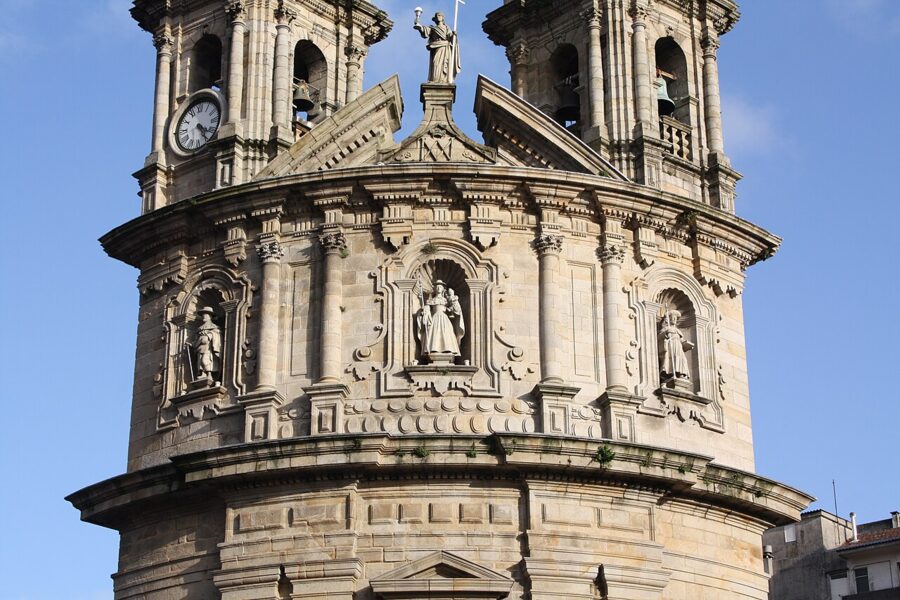
The Portuguese Way is the gentler choice and the most popular after the Francés. From Porto the central route runs 241 km through Barcelos and Ponte de Lima, crosses the Minho into Spain at Tui, then passes Redondela, Pontevedra, Caldas de Reis and Padrón. A coastal alternative leaves Porto along the sea.
Camino del Norte
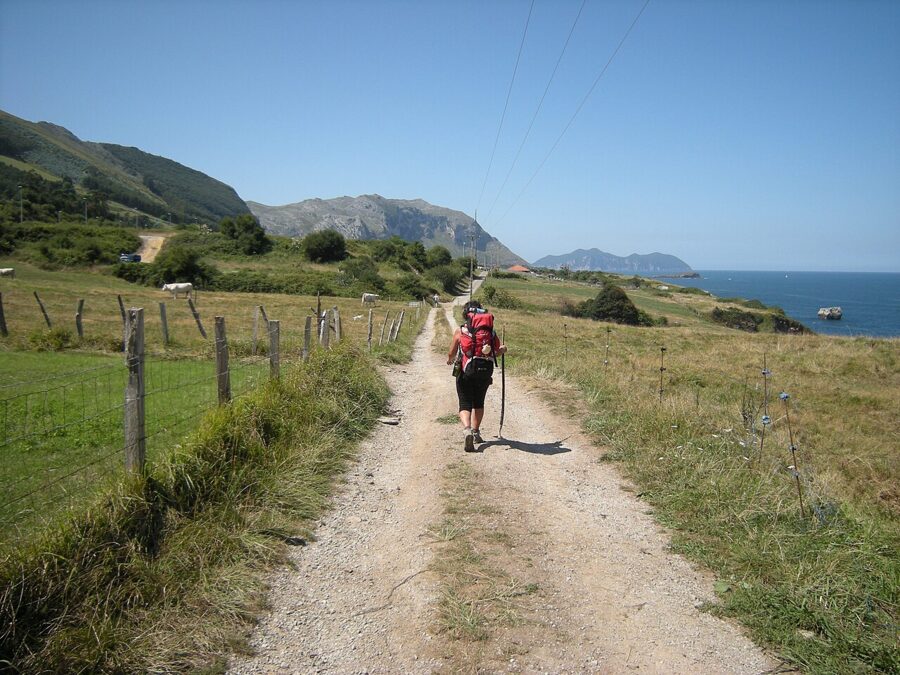
The Northern Way follows the Bay of Biscay from Irún through San Sebastián, Bilbao, Santander and Gijón before turning inland to meet the Francés at Arzúa. It is beautiful and it is work: short steep climbs all day, longer gaps between albergues in places, and rain at any time of year. I would not make it a first long walk unless you already hike in hills.
Camino Primitivo
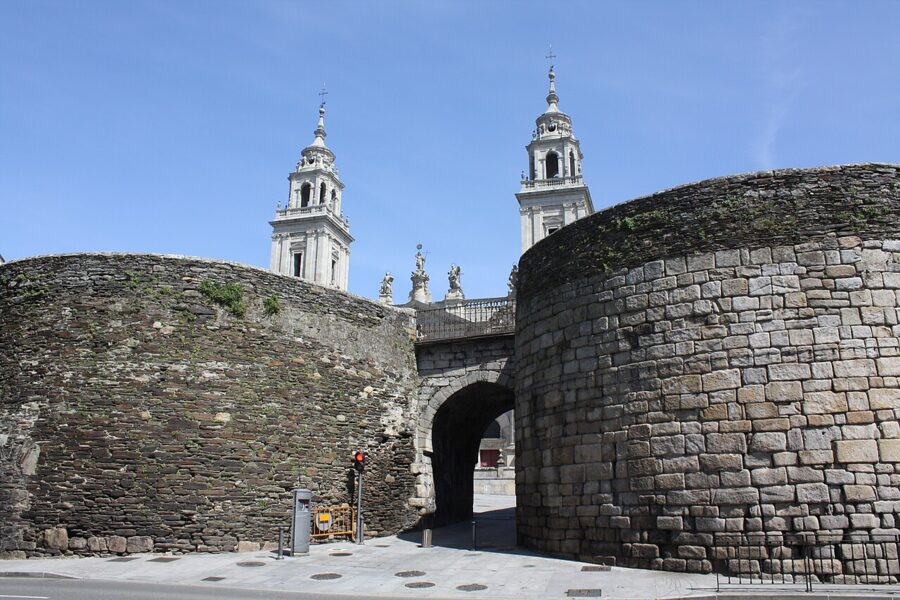
Tradition holds that King Alfonso II of Asturias walked from Oviedo to the newly found tomb, which makes this the first Camino. It is short, about 310 km, and hard, with the high pass of the Hospitales route and long climbs through Asturias before the descent to Lugo and its Roman walls. The reward is quiet.
Camino Inglés
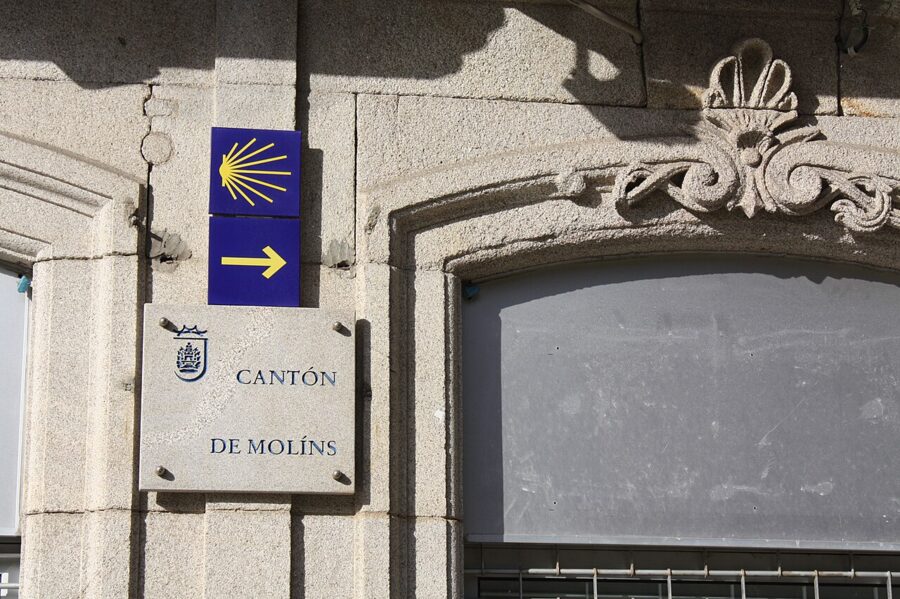
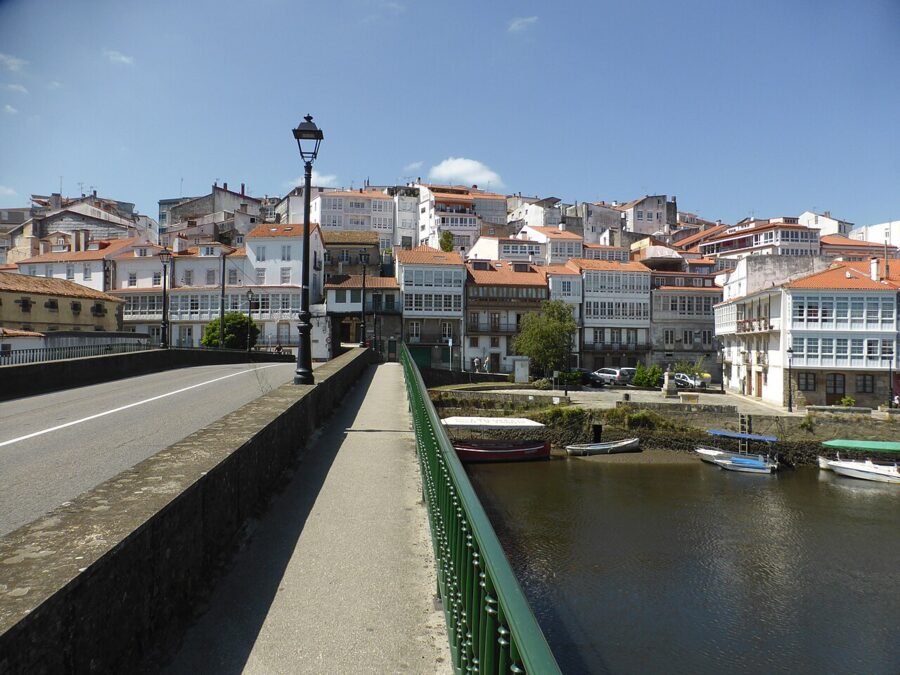
Medieval pilgrims from England, Ireland and Scandinavia sailed to Ferrol or A Coruña and walked the last few days. From Ferrol it is about 112 km in five stages, enough for the Compostela; from A Coruña it is about 72 km, which on its own falls short of the 100 km rule.
Choosing a start for the time you have
Count your days first, then subtract two: one to reach the start and one in Santiago at the end.
- One week: Sarria on the Francés or Tui on the Portugués, five or six walking days each. From Ferrol on the Inglés if you want fewer people.
- Two weeks: Porto to Santiago on the Portugués, León or Astorga to Santiago on the Francés, or the whole Primitivo if you are fit.
- Three weeks: Burgos to Santiago, which gives you the Meseta, León, the mountains and Galicia.
- Five weeks or more: the whole Francés from Saint-Jean-Pied-de-Port, or the Norte.
Nearly a third of all pilgrims now begin at Sarria, which is why the last 100 km of the Francés can feel like a procession in summer. If your week allows it, I would start a few days further back, at Ponferrada or O Cebreiro, and join the crowd already walking at your own pace.
The credencial, the Compostela and the last 100 km
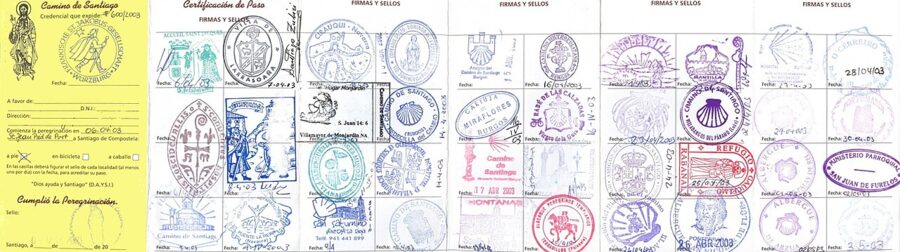
The credencial, the pilgrim’s passport, is a folded card of sixteen pages that you carry from the first day and get stamped as you go. It is what lets you sleep in pilgrim albergues, and it is your evidence at the end. The official one is issued by the cathedral and handed out at the Pilgrim’s Office and by parishes, confraternities, albergues and the associations of Friends of the Camino.
For the coming Holy Year the office has printed a special 2027 credencial, available since November 2026 and carrying the jubilee’s motto from St. Matthew’s Gospel about the Magi seeing the star.
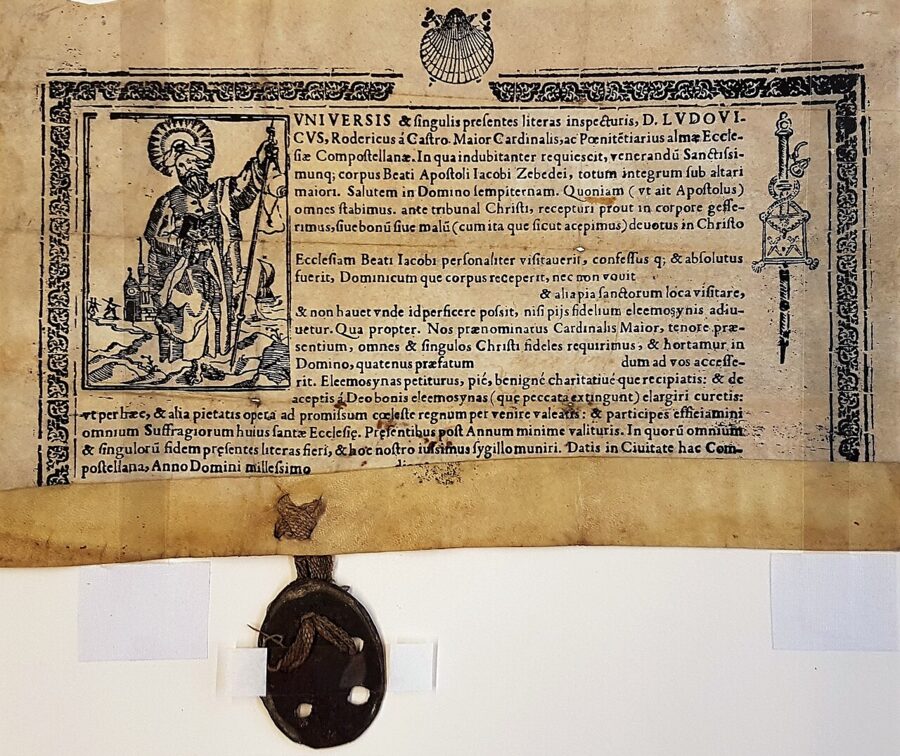
The Compostela is the certificate itself, a Latin document issued free by the cathedral chapter. The rules, as the Pilgrim’s Office sets them out, are these:
- Walk (or ride a horse) at least the last 100 continuous kilometers into Santiago on one recognized route, or cycle at least the last 200 km.
- If you began on foot outside Spain on a recognized route, the distance inside Spain can be as little as 70 km.
- Stages must follow in order, in time and on the map. If you walk only the minimum, get your credencial stamped at the start and at the end of every stage, with the date. In practice that means two stamps a day from Sarria, Tui or Ferrol onward.
- The Compostela is granted to those who come for Christian reasons, in the old formula devotionis affectu, voti vel pietatis causa: out of devotion, a vow or piety.
That last line deserves a plain word. The office asks your motive and counts spiritual answers alongside religious ones; in the Holy Year of 2010, 95 percent of pilgrims gave one or the other. If yours are different, say so when asked; there is no exam.
If you want a record of the whole distance, the office also sells a Certificate of Distance for €3 (about US$3.50), printed on parchment paper with your start, route and kilometers. The Compostela costs nothing, and the sale of these helps keep it that way.
Albergues: where you sleep
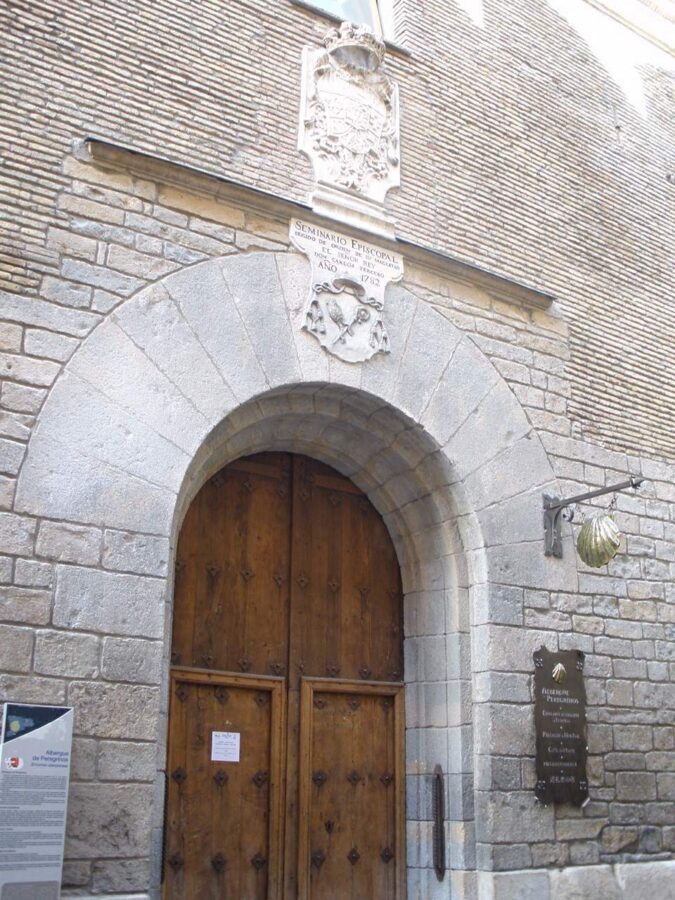
An albergue is a pilgrim hostel: bunk beds in shared rooms, showers, somewhere to wash clothes, often a kitchen. Public ones are run by town halls, regional governments, parishes or associations; private ones are businesses, usually a little more comfortable and almost always bookable.
The Galician public network
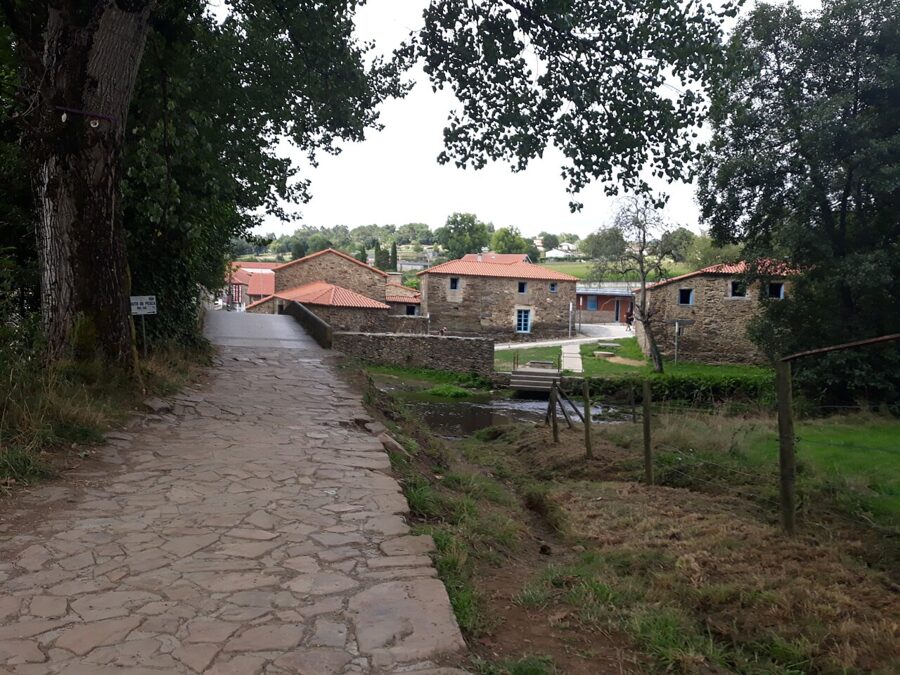
In Galicia the regional government runs 76 public albergues with more than 3,000 beds, and their rules are the clearest on the whole Camino. As of 2026:
- A bed costs €10 (about US$12) a night.
- No reservations: beds go to pilgrims in order of arrival, with priority for people with physical limitations, then walkers, then riders, then cyclists, then anyone with a support car.
- Doors open at 1 p.m. and close at 10 p.m.; lights go out at 10:30 p.m. and you must be out by 8 a.m.
- One night only, unless you are ill. Bedding is disposable, and the kitchens have no pots or plates.
Elsewhere the public albergues are cheap but not all alike. At Saint-Jean-Pied-de-Port the municipal refuge charges €16 (about US$19) for a dorm bed; Roncesvalles charges €15 (about US$17), or €21 (about US$24) with breakfast, according to dated listings in November 2026. On the last 100 km of the Francés, the private albergues in Sarria and Portomarín list beds at €12 to €20 (about US$14 to US$23).
Booking, or not
My advice for a first Camino: book the first night and the last, book every night from Sarria in July, August and the 2027 Holy Year, and leave the middle open so you can stop when your body says so. A public albergue that does not take bookings is your safety net, not your plan, on the last 100 km in summer.
Money
On a tight budget, a public albergue bed plus groceries or a simple meal comes to roughly €25 (about US$29) a day; with private rooms and restaurant meals, plan on €50 (about US$58) or more, according to a cost breakdown dated October 2026. The fixed point of the day is the menú del peregrino, three courses with bread and wine or water, commonly €15 to €20 in the evening.
Carry some cash; small bars, rural albergues and donation boxes do not all take cards.
When to go
May, June, September and early October are the months I would choose: long days, mild walking weather and enough company. July and August bring heat on the Meseta and crowds in Galicia, plus the feast of St. James on 25 July, when Santiago fills up.
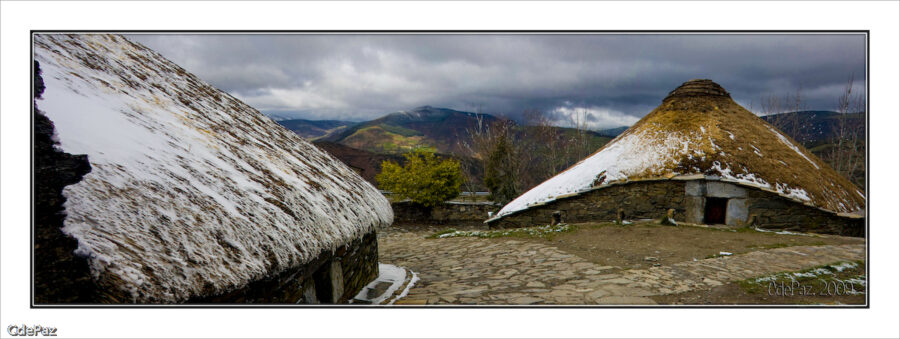
Winter is quiet and possible, but many private albergues close, the Napoleon route is shut from 1 November to 31 March, and O Cebreiro can be under snow. Spring brings rain to Galicia and the north coast, and Galician rain can last all day.
The Holy Years, and 2027
A Compostelan Holy Year, or Xacobeo, falls whenever 25 July is a Sunday. That happens in a pattern of 11, 6, 5 and 6 years; the tradition dates to Pope Callixtus II in 1122 and was made perpetual by Alexander III’s bull Regis aeterni in 1179, as the cathedral explains. The next is 2027, and the one after that is 2032.
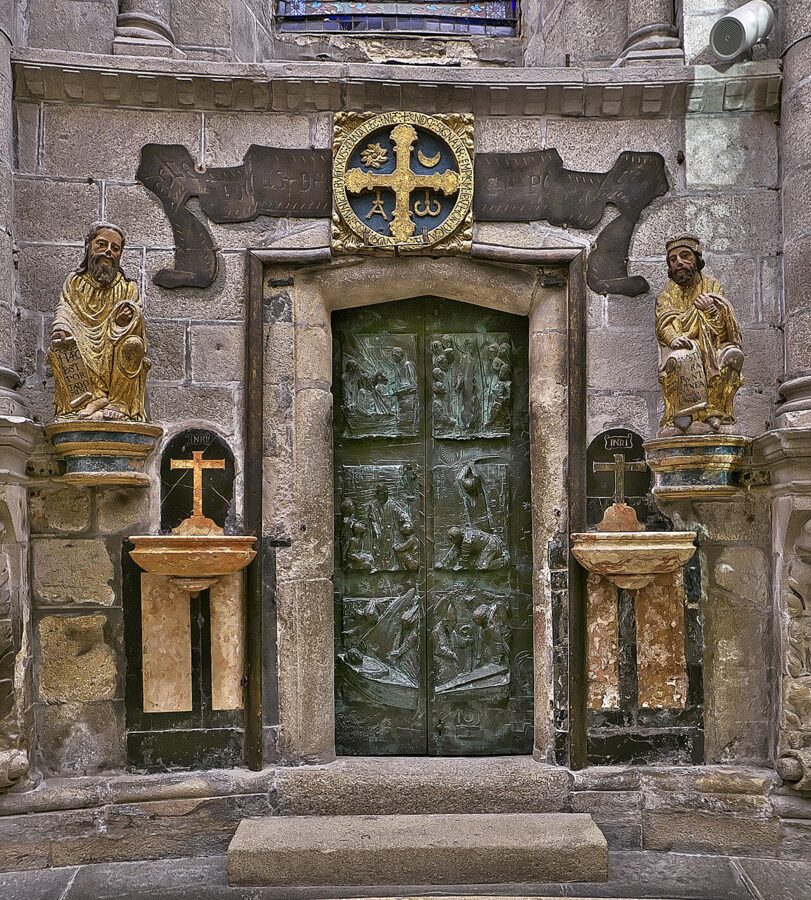
The Holy Year begins on 31 December 2026, when the archbishop opens the Holy Door in a ceremony from 11:30 a.m. that day, and the door stays open through 2027. During a Holy Year Catholics can gain the jubilee indulgence by visiting the tomb, praying the Creed, the Our Father and for the Pope’s intentions, and receiving confession and communion within fifteen days before or after the visit. Expect more pilgrims than ever in 2027, and book beds early from Easter to October.
What to carry
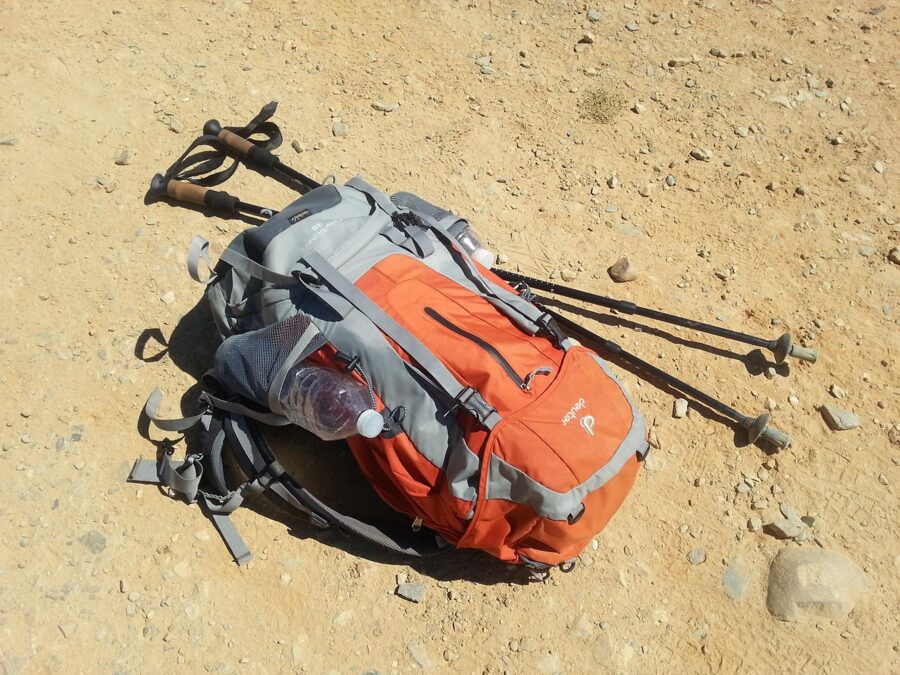
The old rule is that your pack should weigh no more than a tenth of your body weight. Everything you add, you carry up the Pyrenees.
- Footwear: shoes or boots you have already walked at least 100 km in. Blisters, not distance, end most Caminos early.
- Clothes: two sets of walking clothes, one to wear and one drying; a warm layer; a rain jacket or poncho; a hat.
- Sleep: a light sleeping bag or liner, earplugs, an eye mask.
- Care: blister plasters, a needle and thread, sunscreen, a small towel, a headlamp for the dark early starts.
- Papers: passport, credencial, a card and some cash, travel insurance details.
Leave the “just in case” items at home; every town on the Francés has a pharmacy.
Sending your bag ahead
If your back or knees will not take a full pack, a luggage transfer service will move it from one bed to the next while you walk with a daypack. It does not affect your Compostela. The Spanish post office’s Paq Mochila works like this:
- Book online by 8 p.m. the day before and give the address of each night’s lodging. You need a booking there or the owner’s permission to leave the bag.
- Leave the labeled bag at reception by 8 a.m.; it arrives at the next place by 2:30 p.m.
- Bags up to 15 kg, up to 60 km a day, seven days a week from Easter to 31 October.
- Since 1 November 2026 the winter service covers only Sarria to Santiago and Tui to Santiago, with no service on 24, 25 and 31 December or 1 January. Correos says the other routes return in March 2027.
Private companies run the same service on the main routes.
Arriving in Santiago
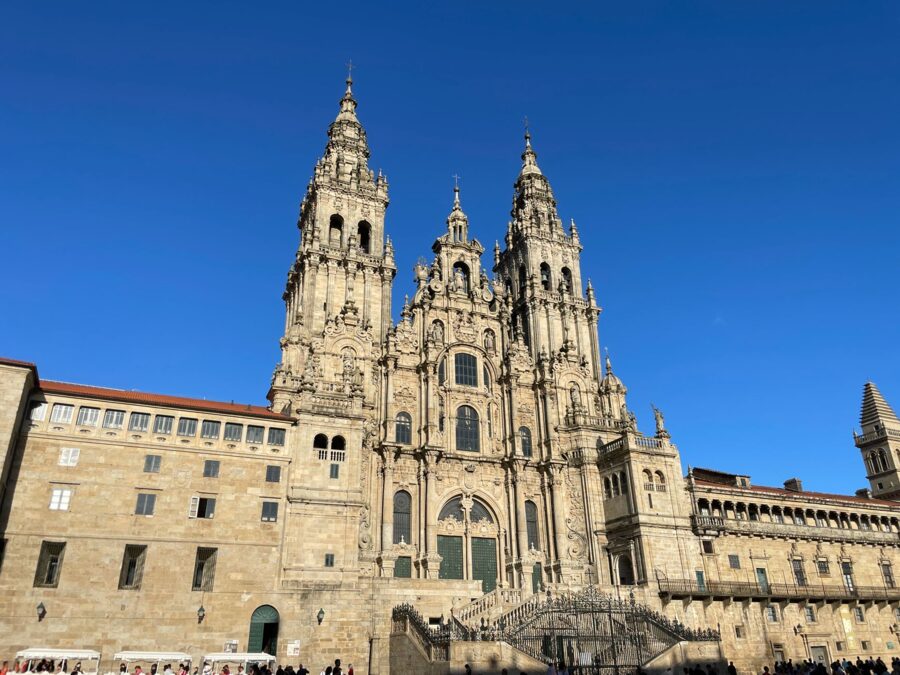
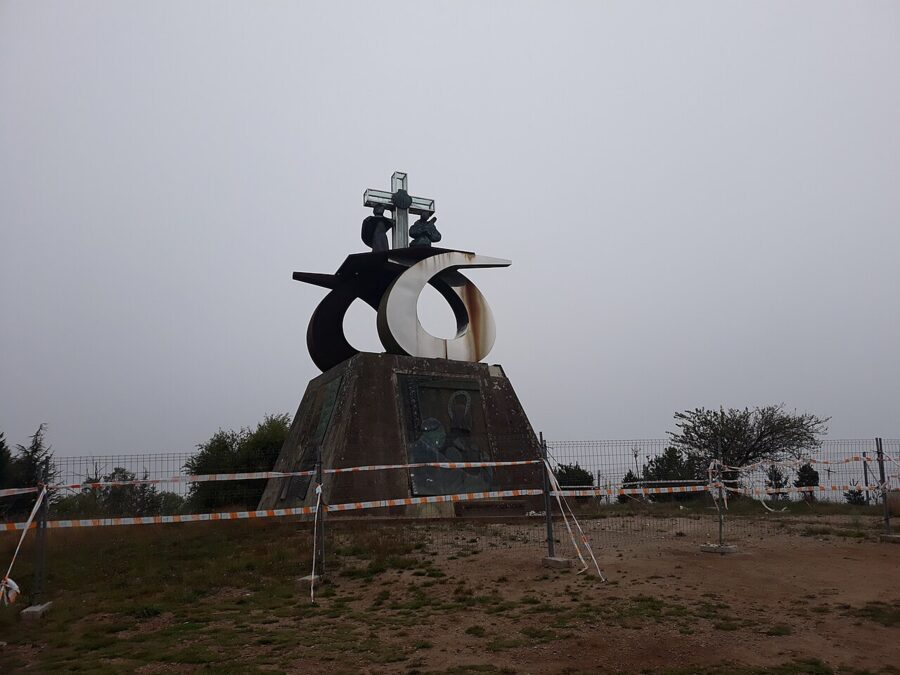
The Francés comes over Monte do Gozo, the “hill of joy,” then drops through the suburbs and the old town to Praza do Obradoiro. The last few steps go under the arch of the archbishop’s palace, where a Galician piper is often playing.
The Pilgrim’s Office
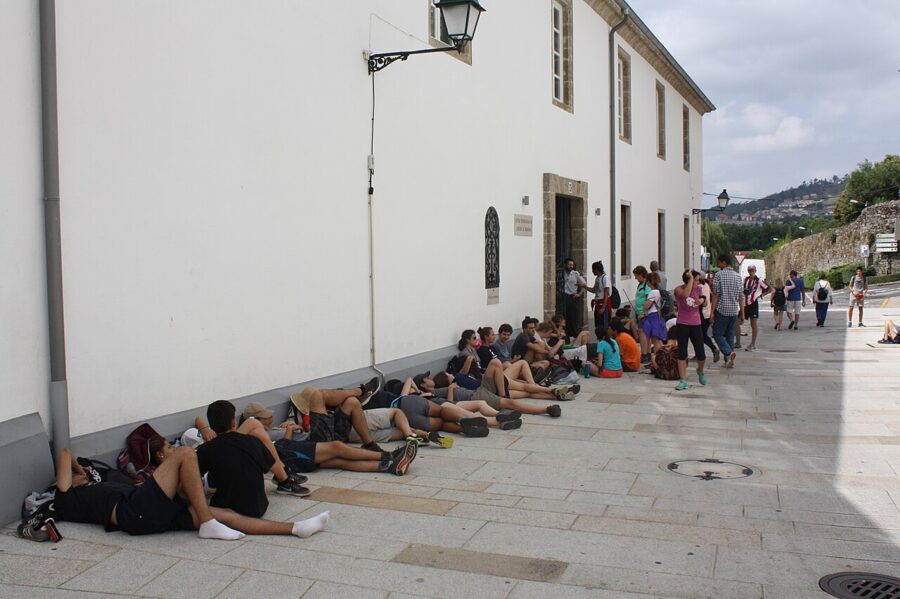
The Pilgrim’s Reception Office is at Rúa das Carretas 33, reached from Obradoiro down the steps of Costa do Cristo. It is open every day from 10 a.m. to 7 p.m., except Christmas Day and New Year’s Day, when the Compostela is given in the cathedral instead (hours as of November 2026).
The process is digital now. You scan a QR code at the office, fill in a short form, and receive a code by email or text; write it on your credencial. You then take a numbered ticket whose own QR code shows the queue in real time, so you can wait over coffee instead of on the pavement. In the busiest weeks the office warns it cannot promise same-day collection.
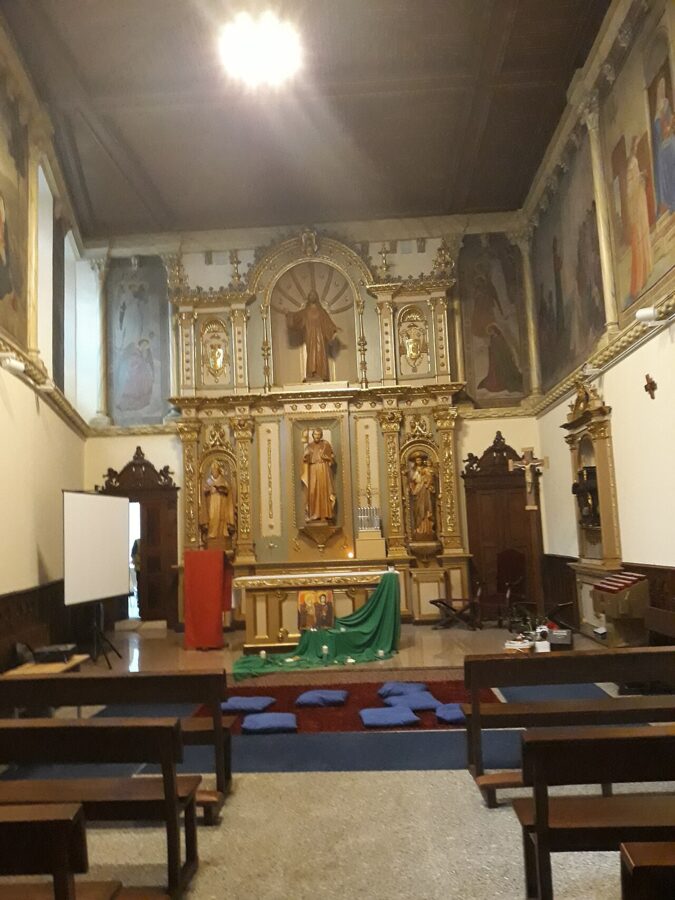
The office has a chapel. From 15 June to 15 August it holds a half hour of silence and song for arriving pilgrims every day at 5 p.m., and Masses in other languages are said there and nearby: in English at 10:30 a.m. in the office chapel (not on Wednesdays), in French, German, Italian and Polish at other hours.
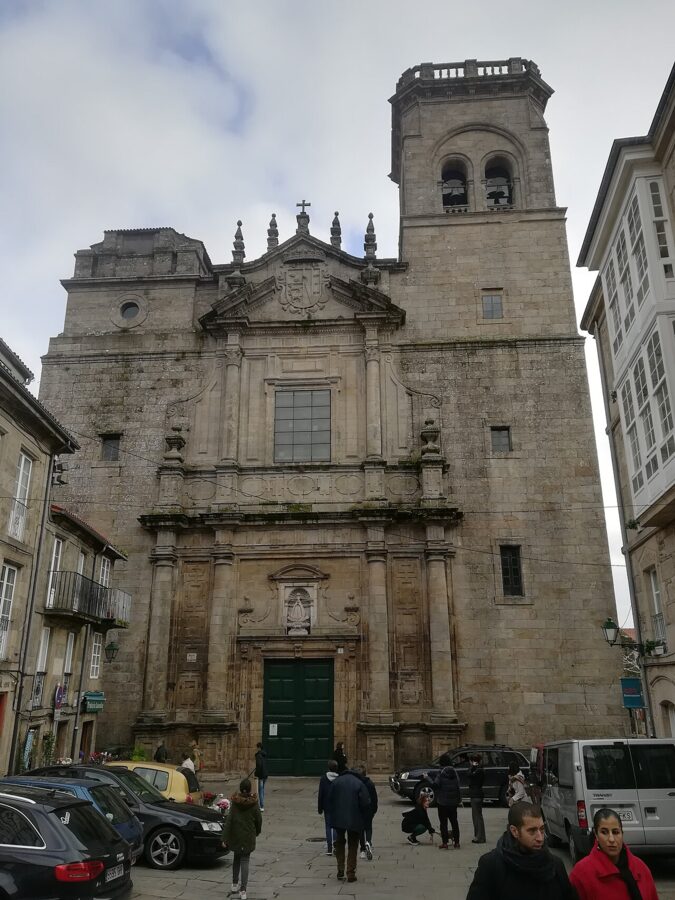
The Pilgrim’s Mass, for now at San Agustín
Here is the news a first-time pilgrim most needs. Because of work on the high altar platform, the cathedral moved its Pilgrim’s Masses from 16 October 2026, until further notice, to the nearby church of San Agustín, at 9:30 a.m., noon and 7:30 p.m. The 7:30 a.m. Mass stays in the cathedral, in the Communion Chapel.
A free cathedral app translates the Mass in real time, in text or audio. Check the cathedral’s liturgy page before you plan around a time; it changes with the works and the feasts.
The botafumeiro
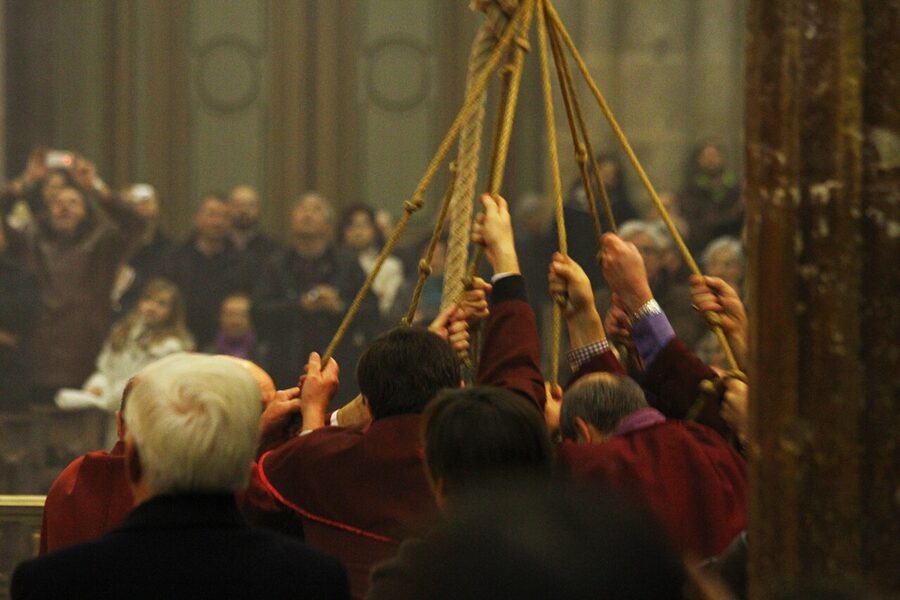
The botafumeiro is the cathedral’s great censer: 53 kg, 1.5 m tall, hung from pulleys in the crossing and swung by eight men in red, the tiraboleiros, until it flies across the transepts at up to 68 km/h. The one in use was made of brass by José Losada in 1851; a silver copy was given in 1971. The cathedral reads the incense rising to the vault as a picture of prayer.
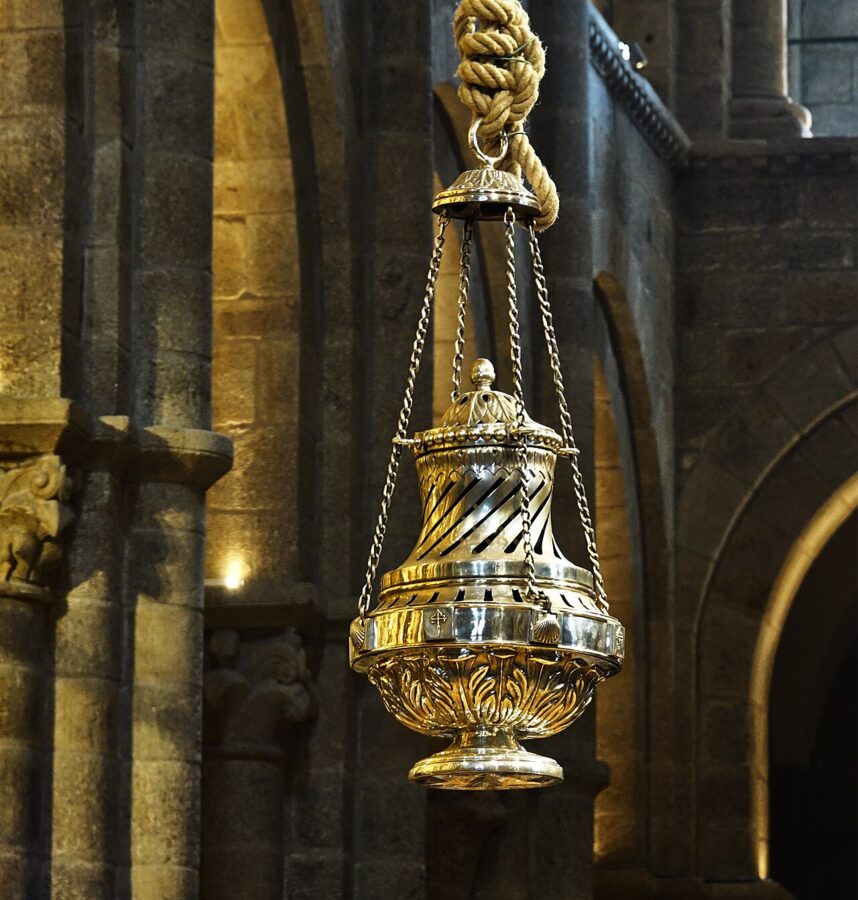
Set your hopes carefully. It swings on the great feasts (Epiphany, Easter Sunday, the Ascension, Pentecost, 25 July, 15 August, All Saints, Christmas Day and 30 December, among others) and when a group pays for it in advance. As of November 2026, though, the cathedral’s own page carries a notice that the botafumeiro is temporarily out of use while restoration work goes on. If seeing it matters to you, check that page in the week you arrive.
The cathedral, the tomb and the embrace
The cathedral is open daily from 7 a.m. to 9 p.m. (8:30 p.m. on summer Saturdays), with free entry through the Platerías door, according to its visiting page. Backpacks are not allowed inside, and visits stop during services.
Correos keeps a left-luggage office at Rúa do Franco 4, two minutes from Obradoiro, if you arrive with your pack.
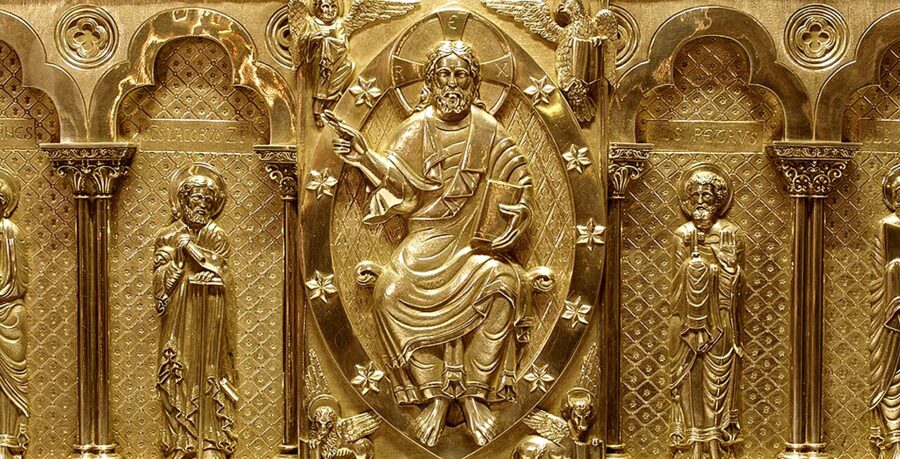
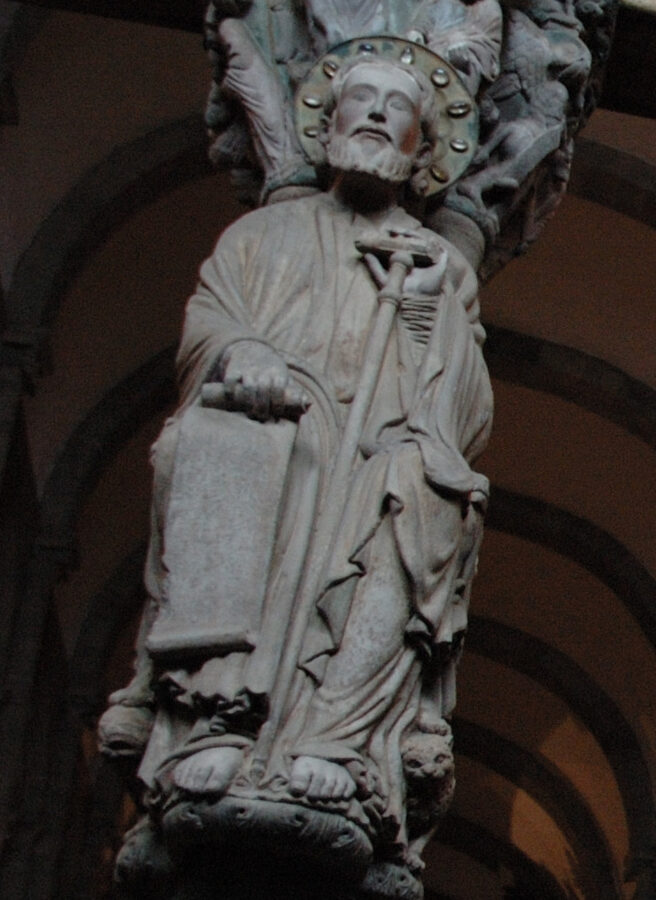
Under the high altar is the crypt, where the relics believed to be those of St. James lie in a silver urn. Above the altar sits a seated image of the apostle from 1211, and pilgrims climb a narrow stair behind it to put their arms around its shoulders, the abrazo. With the altar under works, ask at the door whether the crypt and the stair are open on the day.
The spiritual side
The Camino is a Catholic pilgrimage with an open door. The credencial still carries a blessing from the twelfth-century Codex Calixtinus, given to pilgrims with their purse and staff, and the Compostela still speaks of devotion, vows and piety. Many albergues run by parishes or religious orders offer an evening prayer or a pilgrims’ blessing; nobody is required to attend.
What most pilgrims describe is simpler than doctrine. The day narrows to walking, eating and sleeping, and in that narrowness people pray, grieve or fall quiet. The Pilgrim’s Office suggests the Blessed Sacrament Chapel, to the left of the nave, for anyone who wants to sit and think after arriving; the cathedral is open all day for exactly that.
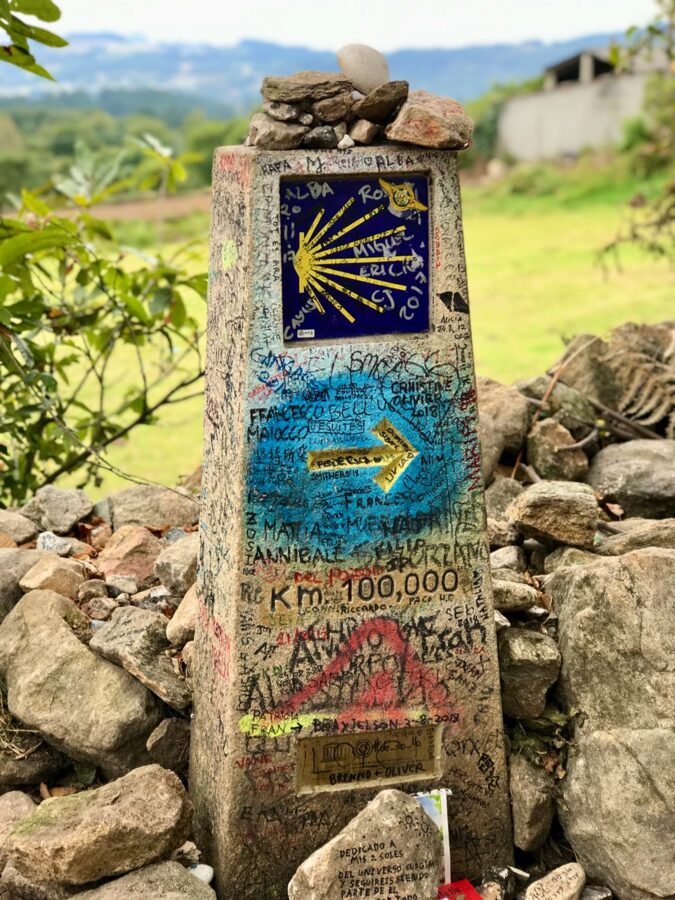
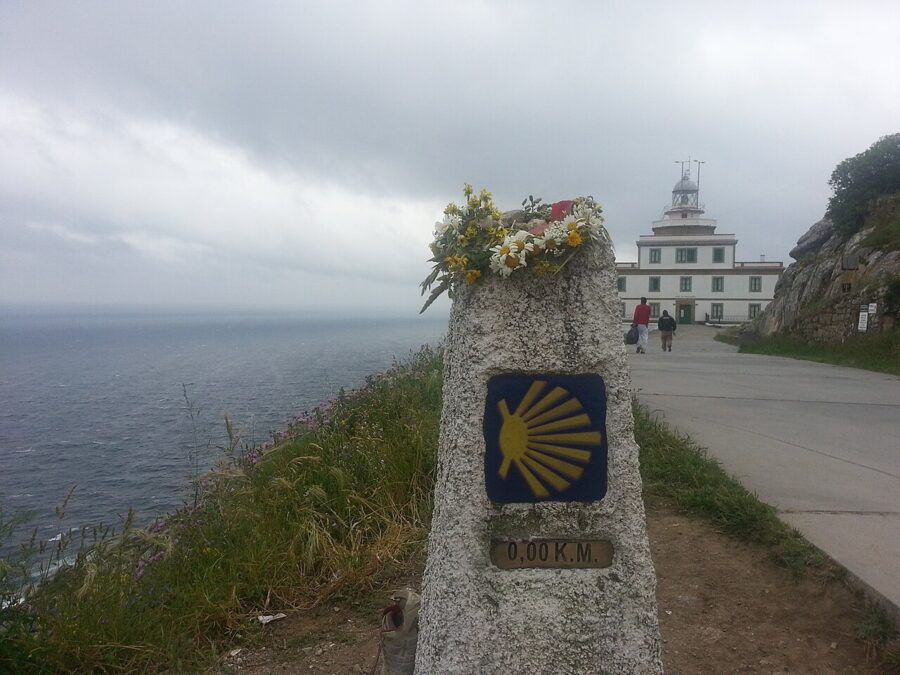
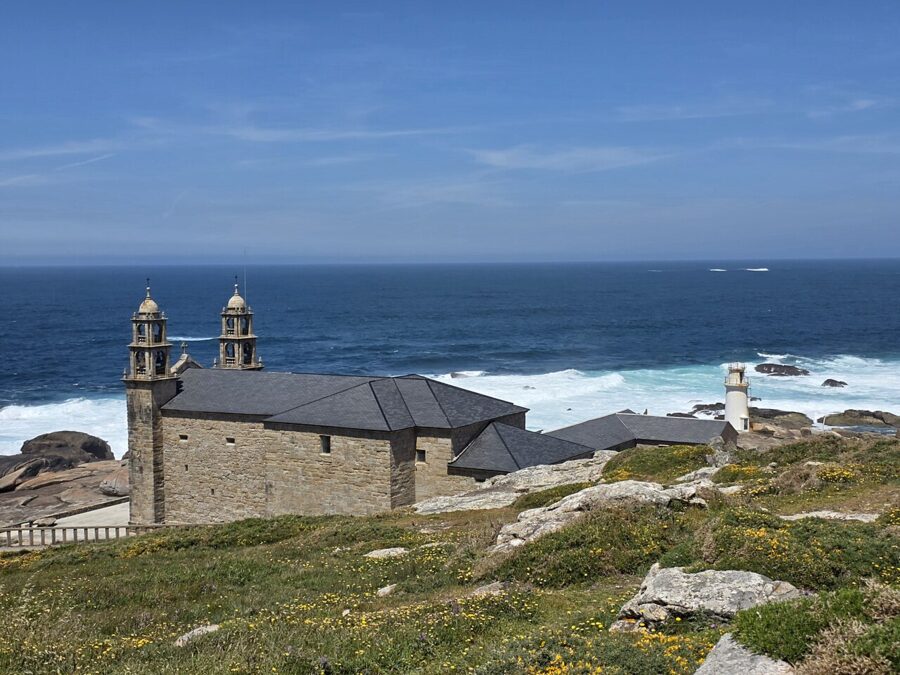
If Santiago comes too fast, walk on. The Camino to Fisterra and Muxía starts in Santiago and runs three or four days to the Atlantic, to a lighthouse and a stone marker reading 0,000 km. Some pilgrims burn a piece of worn clothing at the cape, and there is now a small area set aside so the custom can be kept safely.
The stamp on Rúa das Carretas takes a few seconds. Leave room on the card for it, and an afternoon afterward with nothing planned.